What Storms Damage Besides the Roof
The Front Range sits in or next to Hail Alley, with frequent large hail from roughly mid-April to mid-August, and downslope winds near the foothills can be extreme. One storm can leave damage on every side of a house. From the ground, look for:
- Gutters and downspouts: dents, crushed downspouts, bent hangers and separated seams.
- Fascia and soffits: dented metal wraps, cracked soffit panels and boards pulling loose behind the gutters.
- Siding and trim: cracked or punctured vinyl, dented aluminum or steel, chipped fiber cement, split wood and cracked stucco.
- Windows and doors: broken glass, cracked vinyl frames, dented metal cladding and torn screens, plus dented garage doors and cracked skylights.
- Paint and stain: hail knocks paint off trim, fences and decks, leaving bare wood that weathers quickly.
- Everything else: air conditioner fins, light fixtures, fences and decks.
The Order Repairs Usually Follow
Exterior work goes best from the top down and the outside in, because each part laps over or attaches to the one before it:
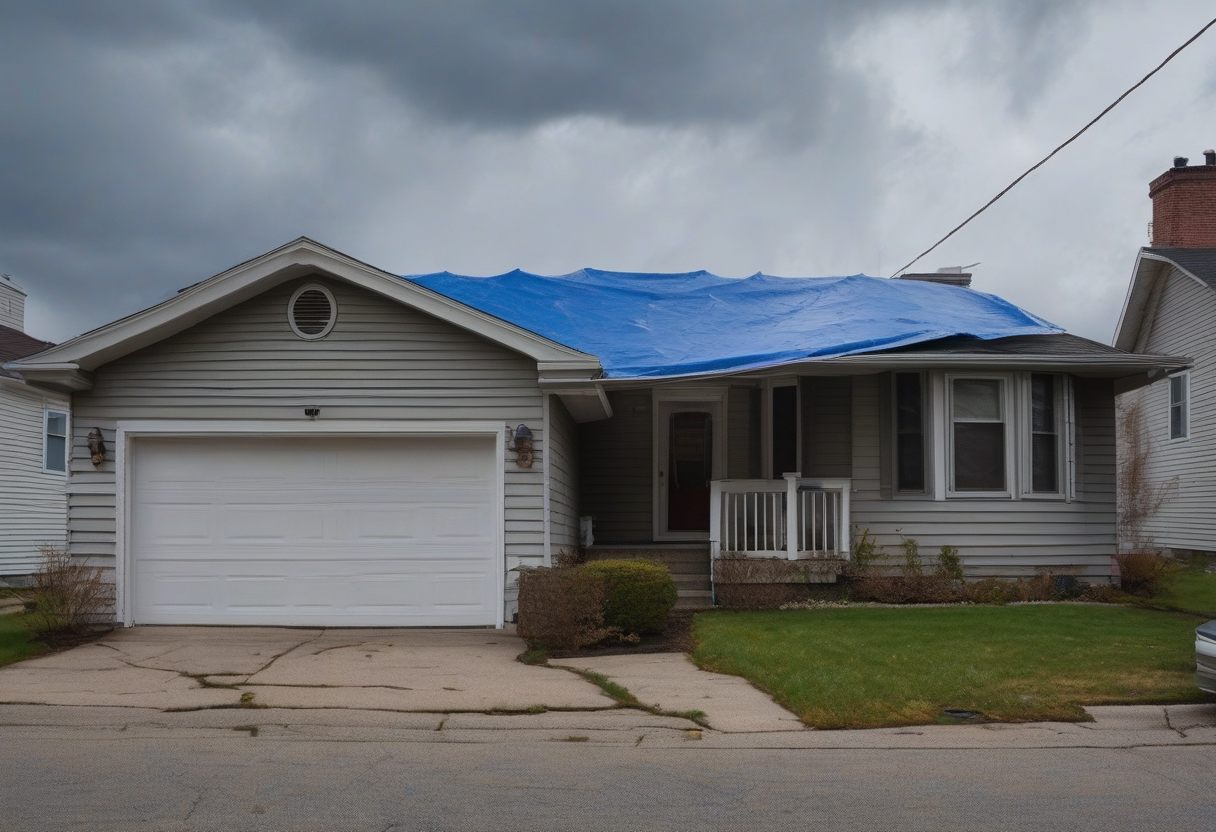
- Emergency protection. Tarp roof openings and board up broken windows to prevent further damage, and keep the receipts.
- The roof. Shingles or membrane, flashing, vents and skylights come first. Roofing work can scuff walls and dent new gutters, and roof-to-wall flashing has to be in place before the siding around it is finished.
- Fascia and soffits. Gutters hang on the fascia, so damaged boards and wraps get fixed before gutters go up.
- Gutters and downspouts, installed to work with the new drip edge.
- Windows. Replacement windows usually go in before or alongside siding so the trim and siding can be flashed around them. Glass and screen repairs can happen anytime.
- Siding and trim.
- Paint and stain, after the carpentry is finished and in suitable weather.
- Interior repairs from leaks, once the exterior is sealed and everything has dried out.

Since the roof comes first, get the roof inspected by Truman Roofing before booking other trades, so the rest of the schedule can be built around it.
Matching Materials and Colors
Patching a few pieces sounds simple until the new ones don't match. Siding profiles and colors get discontinued, and years of high-altitude sun fade what's already on the wall, so even the same product can look different. To improve the odds:
- Identify the original manufacturer, profile and color before anything is removed. Labels, leftover pieces or builder records can help.
- Take an actual sample to the supplier instead of relying on a photo.
- Consider moving original pieces from a hidden wall to the front and putting new material where it won't show.
- Match gutter profile and size, not just color.
- Repaint whole walls, corner to corner, rather than touching up spots that will stand out.
How an insurer handles materials that can't be matched depends on your policy, so raise it with your adjuster early. The Colorado Division of Insurance's hail storm FAQ notes that no state law requires an insurer to match siding or paint on undamaged areas.
Why One Coordinator Beats Juggling Trades
A storm-damaged exterior can involve a roofer, a gutter installer, a siding crew, a window company and a painter. Hire each one separately and you become the general contractor: scheduling them in the right order, chasing delays and refereeing when two crews blame each other for a leak.
The riskiest spots on any exterior are where one trade's work meets another's, such as the kick-out flashing where a roof edge meets a wall, the drip edge behind a gutter or the flashing over a window. Our guide to roof layers and flashing explains why those junctions matter. With one general contractor coordinating, each junction has a single owner, and you get one point of contact, one schedule and one set of documents for your insurer. Whoever you hire, ask who is responsible for each junction and who pulls the permits. Colorado has no statewide roofing contractor license, so cities and counties handle licensing and permits, and most Front Range jurisdictions require a permit for a reroof.
Documenting Damage for Insurance
- Write down the date and time of the storm. The NOAA Storm Events Database can later help confirm reported hail and wind by date and county, though it isn't updated in real time.
- Photograph every side of the building before cleanup or repairs, with wide shots and close-ups. A coin or tape measure in the frame shows scale.
- Photograph dents in soft metals like gutters, downspouts and window wraps, which help show hail size and direction.
- Keep receipts for emergency work, and hold onto removed parts until your adjuster says you can discard them.
The Colorado Division of Insurance publishes consumer information on homeowners claims. Colorado law also prohibits roofing contractors from offering to pay, waive or rebate your deductible, so treat that kind of offer as a red flag. If the roof is part of your claim, it helps to understand how the roof insurance claim process works before the adjuster arrives.